
How to Choose Gutter Systems for Your Home: A Complete Guide
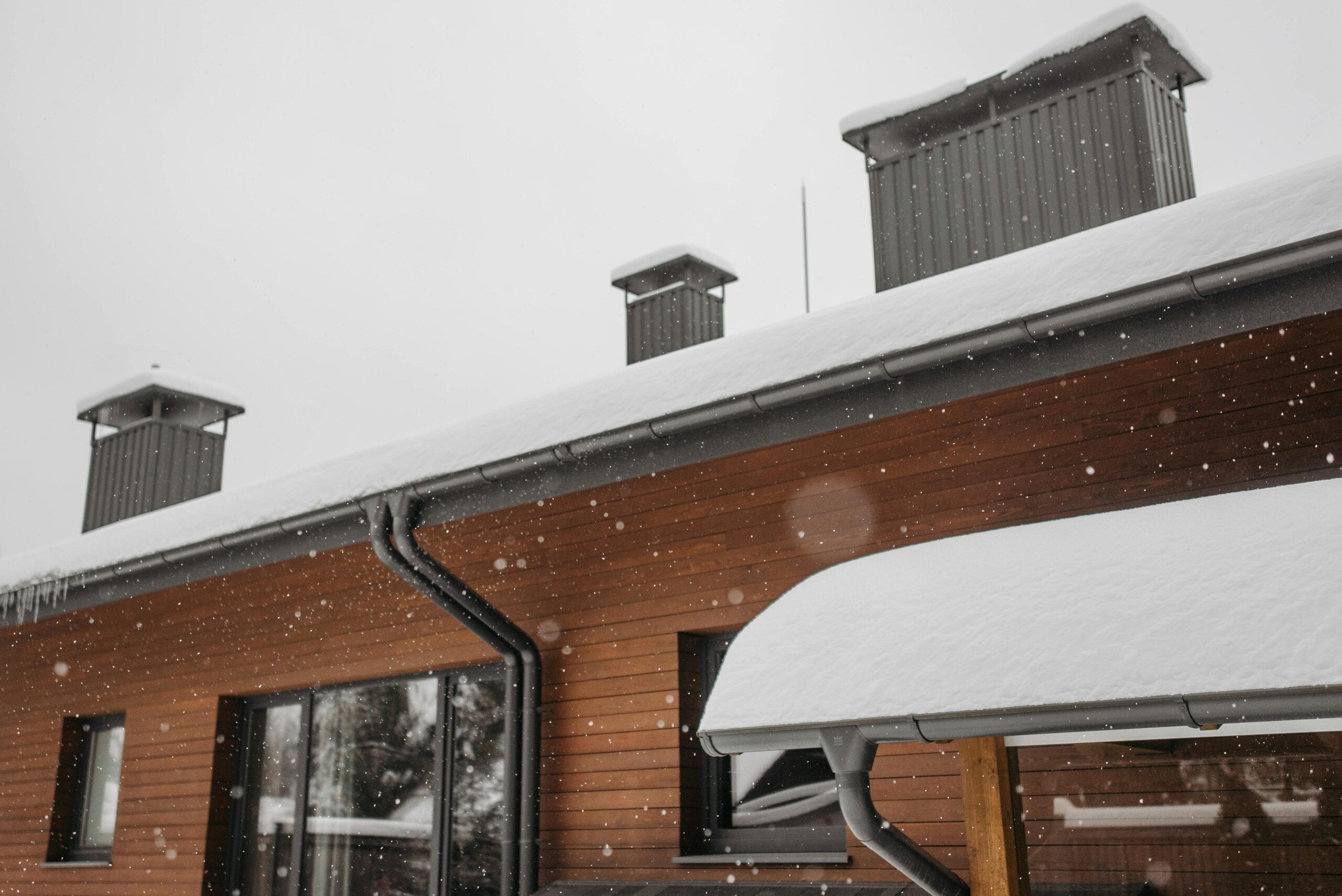
Protecting your home from water damage starts from the top down, and choosing the right gutter system is one of the most critical decisions you’ll make as a homeowner. When you’re learning how to choose gutter systems for your home, you’ll discover that this isn’t a one-size-fits-all decision. The proper gutters work silently in the background, channeling water away from your foundation, walls, and landscaping, preventing costly damage that could affect your home’s structural integrity. Whether you’re replacing aging gutters or installing them for the first time, understanding your options will help you make an informed choice that protects your investment for years to come.
Understanding Gutter Materials: What Works Best?
The material you choose for your gutters is fundamental to their performance and longevity. Each material comes with its own benefits and drawbacks, so it’s important to weigh your priorities carefully.
Aluminum Gutters are the most popular choice among homeowners, and for good reason. They’re lightweight, affordable, and resistant to rust, making them ideal for most climates. Aluminum gutters typically last 20-25 years and require minimal maintenance compared to other materials.
Vinyl Gutters offer an economical option that doesn’t require painting. They’re easy to install and maintain, though they can become brittle in extremely cold climates and may not last as long as aluminum, averaging 10-15 years.
Copper Gutters are the premium option, offering unmatched durability and aesthetic appeal. They develop a beautiful green patina over time and can last 50+ years. However, the higher cost makes them less practical for budget-conscious homeowners.
Galvanized Steel provides excellent strength and durability, lasting 20-25 years. These gutters can handle heavy loads but are heavier than aluminum and require regular maintenance to prevent rust.
Gutter Styles and Profiles
Once you’ve selected your material, you’ll need to choose the right gutter profile. The most common styles are K-style and half-round gutters.
K-Style Gutters resemble crown molding and are the most popular choice in North America. They offer a decorative appearance while providing excellent water-handling capacity and installing flush with your fascia board.
Half-Round Gutters feature a classic, elegant look that works well with traditional and historic homes. While they have slightly lower capacity than K-style, they’re easier to clean and maintain.
The size of your gutters also matters. Standard 5-inch gutters work for most homes, but larger 6-inch gutters are recommended for areas with heavy rainfall or homes with steep pitched roofs that shed water quickly.
Gutter Installation Methods
How you install your gutters is just as important as what you choose. There are several installation methods to consider:
Fastened Gutters use brackets and fasteners to secure gutters to your fascia board. This traditional method is reliable and allows for easy replacement of individual sections.
Seamless Gutters are custom-formed on-site to fit your home’s exact dimensions. They eliminate joints where leaks typically occur, offering superior performance and a cleaner appearance. If you’re in the Vernon area and need professional seamless gutter installation, Vernon gutter installation services can help you get the job done right.
Hidden Hangers mount underneath the gutters for a cleaner, more seamless look. While aesthetically pleasing, they can be more challenging to install and maintain.
Budget Considerations and Long-Term Value
Your budget will naturally influence your decision, but remember that the cheapest option isn’t always the best investment. Consider the total cost of ownership, including installation, maintenance, repairs, and replacement costs over the gutter’s lifespan.
Every home is different, so Caleb gives a free on-site estimate before any work starts.
Poor installation can lead to standing water, rust, and gutter failure regardless of material quality.
Climate and Regional Factors
Your local climate should heavily influence your choice. Homes in areas with heavy snowfall need stronger gutters with appropriate brackets to handle the weight. Regions with extreme heat benefit from materials that won’t expand and contract excessively. Areas with frequent freezing and thawing require ice-dam prevention systems and materials that won’t become brittle.
Additionally, consider your local rainfall patterns. Arid climates might allow for less robust systems, while areas with intense seasonal rainfall demand larger capacity gutters with properly functioning downspouts.
Maintenance Requirements
Different gutter systems require different levels of maintenance. Aluminum and vinyl gutters need regular cleaning to prevent debris buildup, ideally twice yearly. Copper requires occasional polishing if you prefer to maintain its original shine, though the patina is beautiful on its own.
Seamless gutters reduce maintenance needs by eliminating joints, but they still require periodic cleaning and inspection. Factor maintenance requirements into your long-term decision, especially if you’re unable or unwilling to perform regular upkeep.
Making Your Final Decision
When deciding how to choose gutter systems for your home, create a comparison chart including material, style, cost, lifespan, maintenance requirements, and climate suitability. Consult with local gutter contractors who understand regional weather patterns and can recommend systems that have proven successful in your area.
Don’t rush this decision. Take time to research, get multiple estimates, and understand the pros and cons of each option. Quality gutters are an investment in your home’s protection and longevity.