
Preventing Gutter Overflow During Spring Runoff in Vernon, BC
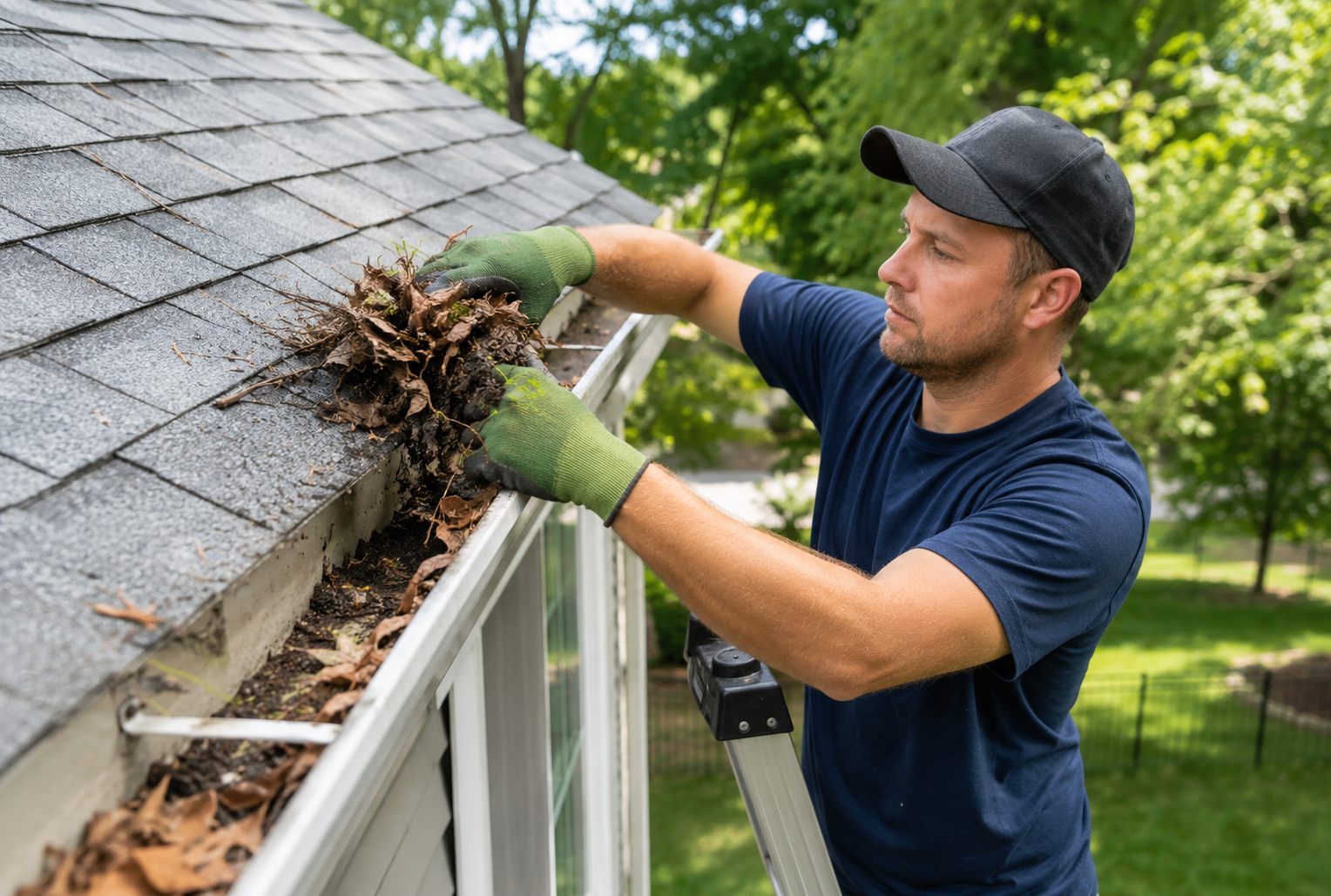
As the snowpack in the North Okanagan begins to melt each year, homeowners across the valley face a familiar seasonal headache: water pouring over the sides of their gutters instead of flowing safely into the downspouts. Preventing gutter overflow during spring runoff Vernon BC homeowners deal with requires more than a quick clean-out in April — it takes a proactive plan that accounts for melting snow, sudden rain, and the debris that builds up over a long Okanagan winter. In this post, we’ll break down why overflow happens, what it can cost you if ignored, and the practical steps you can take to keep your home protected all season long.
Why Spring Runoff Puts So Much Stress on Your Gutters
Vernon’s climate is unique. Winters bring heavy snow accumulation on rooftops, and when temperatures rise quickly in March and April, that snow doesn’t melt gradually — it often comes down in a rush, especially during warm afternoons following freezing nights. Combine that rapid melt with spring rain showers, and your gutter system can suddenly be asked to handle two to three times the water volume it manages during a typical summer storm.
If your gutters are clogged with leaves, pine needles, or the granules that wash off asphalt shingles over winter, there’s simply nowhere for that water to go. It backs up, spills over the edge, and starts causing problems long before you notice a puddle on the driveway.
The Hidden Costs of Ignoring Overflow
Gutter overflow isn’t just a cosmetic nuisance. Left unaddressed, it can lead to:
- Foundation damage — Water pooling at the base of your home softens soil and can crack foundations over time, a serious issue given Vernon’s clay-heavy soils.
- Basement and crawlspace flooding — Overflow that seeps into lower levels can cause mold growth and structural rot.
- Fascia and soffit rot — Constant water exposure behind the gutter line rots wood trim, inviting pests and expensive repairs.
- Landscaping erosion — Flower beds, mulch, and lawns near your foundation take a beating when water pours over unpredictably.
- Ice dam formation — Overflow that refreezes overnight during cooler spring nights can create ice buildup that pulls gutters away from the roofline entirely.
Signs Your Gutters Are at Risk This Spring
Before runoff season peaks, walk your property and look for these warning signs:
- Visible sagging or pulling away from the fascia board
- Water stains or streaking on siding below the gutter line
- Standing water or soggy patches near the foundation after rain
- Plant debris, moss, or nests visible from the ground
- Gutters that appear to overflow even during light rain
If you spot any of these, it’s time to act before the heaviest melt hits.
Practical Steps to Prevent Overflow
1. Clean Gutters Before the Thaw Accelerates
The single most effective step is a thorough cleaning in early spring, before the bulk of the snowmelt arrives. Removing leaves, needles, and grit restores full water flow capacity and lets you inspect for damage while you’re up there.
2. Check and Correct the Slope
Gutters need a slight, consistent pitch toward the downspouts — roughly a quarter inch of drop for every ten feet of run. Snow load and ice over winter can shift hangers and flatten this slope, creating low points where water collects and eventually spills over.
3. Add or Upgrade Downspouts
Older homes in Vernon were often built with fewer downspouts than modern code recommends. If your gutters overflow at a specific spot every year, that’s usually a sign you need an additional downspout there rather than a bigger gutter overall.
4. Install Gutter Guards
Mesh or micro-guard systems significantly reduce the debris entering your gutters, cutting down on clogs from pine needles and shingle grit — two of the biggest contributors to spring overflow in this region.
5. Extend Downspout Discharge Points
Make sure downspouts direct water at least six feet away from your foundation. Extensions or splash blocks prevent the very overflow-adjacent problem of water dumping right back against your home’s base.
6. Have Your System Professionally Assessed
Sometimes the issue isn’t maintenance — it’s capacity. Older 5-inch K-style gutters may not be sized correctly for the roof area they’re draining, especially on homes with steep rooflines that shed snow quickly. A professional assessment can determine whether your current system needs an upgrade rather than just a cleaning.
If your existing gutters are undersized, poorly sloped, or beyond repair, a properly planned vernon gutter installation is often the most reliable long-term fix. New seamless gutters, correctly sized and pitched for your roofline, are built specifically to handle the volume of water Okanagan spring runoff produces — eliminating the guesswork of patchwork repairs.
Building a Spring Maintenance Routine
The best defense against overflow is consistency. Consider setting a recurring routine:
- Early spring: Full clean-out before peak melt
- Mid-spring: Inspect after the first heavy rain following snowmelt
- Late spring: Check downspout extensions and confirm no soil erosion near the foundation
- Fall: Clean again before leaves and snow accumulate
Homeowners who stick to this schedule rarely deal with surprise overflow, even during unusually fast melts.
The Bottom Line
Spring runoff puts real pressure on gutter systems throughout Vernon, and overflow is rarely a one-time inconvenience — it’s a symptom of a system that’s clogged, poorly sloped, or simply undersized for the job. Staying ahead of it with regular cleaning, smart upgrades like gutter guards and extra downspouts, and a professional evaluation when needed will protect your foundation, siding, and landscaping for years to come.