
How Often Should You Clean Gutters? A Simple Guide for Every Season
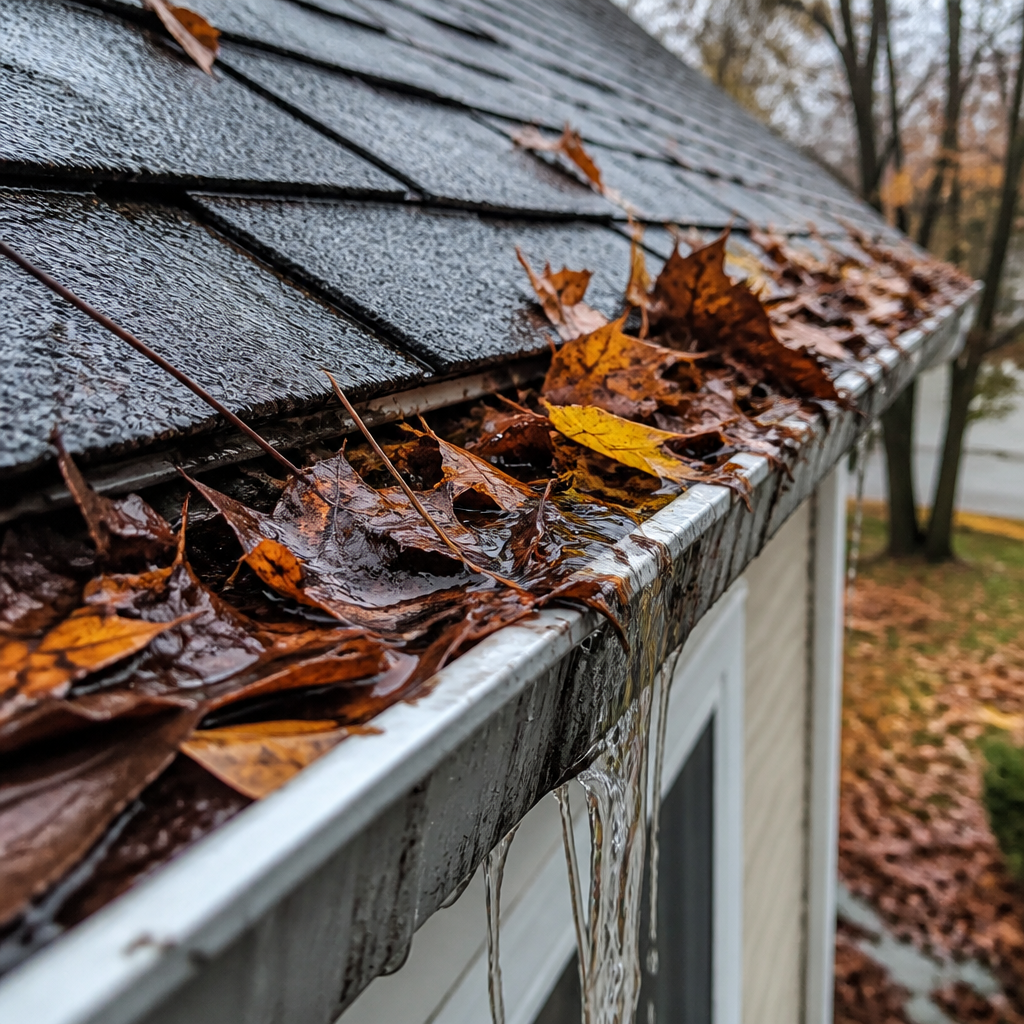
If you’ve ever found yourself Googling “how often should you clean gutters” at 11 p.m. after noticing water dripping down your siding, you’re not alone. It’s one of those home maintenance questions that seems simple but actually depends on a handful of factors — your climate, the trees around your home, and how your roof is designed. The good news is that once you understand those factors, figuring out your ideal cleaning schedule becomes a lot easier.
In this guide, we’ll break down the general rule of thumb, the factors that might mean you need to clean more (or less) often, and the warning signs that tell you it’s time to grab a ladder — or call a professional.
The General Rule of Thumb
For most homes, the standard recommendation is to clean your gutters at least twice a year — once in late spring and once in late fall, after most leaves have dropped. This schedule works well for the average home with moderate tree coverage and a typical roofline.
That said, “average” doesn’t apply to everyone. Depending on your specific situation, you might need to clean more frequently — or you might be able to stretch that schedule out with the right setup.
Factors That Affect How Often You Should Clean Your Gutters
1. Tree Coverage Around Your Home
This is probably the single biggest factor. Homes surrounded by:
- Deciduous trees (oak, maple, etc.) tend to see heavy debris in fall as leaves drop
- Coniferous trees (pine, fir, cedar) shed needles more gradually throughout the year, which can clog gutters even outside of leaf season
- No nearby trees may only need cleaning once a year or even less
If your property is surrounded by mature trees, you may need to clean your gutters three to four times a year rather than the standard twice.
2. Roof Pitch and Design
Steeper roofs shed debris more efficiently than low-pitched ones, meaning gutters on steep roofs may collect slightly less buildup. However, roofs with multiple valleys or dormers tend to funnel more debris into specific gutter sections, creating localized clogs even if the rest of the system looks clear.
3. Local Climate
Regions with:
- Heavy fall leaf drop need a thorough cleaning after most leaves have fallen
- Snowy winters benefit from a fall cleaning to prevent ice dams from forming in clogged gutters
- Rainy springs need clear gutters heading into the season to handle rapid runoff
- Windstorms can suddenly fill gutters with debris from surrounding properties, requiring a quick check after major weather events
4. Gutter Guards
Homes with quality gutter guards installed can often reduce cleaning frequency significantly — sometimes down to once a year or less — since most large debris is blocked before it enters the gutter channel at all.
A Simple Seasonal Cleaning Schedule
If you’re not sure where to start, here’s a straightforward schedule that works well for most homes:
- Early Spring: Clear out any debris left over from winter and check for damage after snow and ice
- Late Spring: Do a follow-up check before heavy rain season, especially if you have coniferous trees nearby
- Late Summer: A quick visual inspection after any major storms
- Late Fall: The most important cleaning of the year — after most leaves have dropped but before winter freeze sets in
Adjust this schedule based on your specific tree coverage and local weather patterns.
Signs Your Gutters Need Cleaning Right Now
Not sure if you’re due for a cleaning? Watch for these signs:
- Water overflowing over the sides during rainfall
- Visible plants or moss growing in the gutter channel
- Sagging sections weighed down by debris
- Water stains or streaking on your siding
- Standing water or a musty smell coming from the gutters
- Pests (wasps, rodents) nesting near the roofline
If you notice several of these signs, it’s a good indication your gutters need attention sooner rather than later.
What Happens If You Skip Gutter Cleaning?
It’s tempting to put off gutter cleaning, especially since it usually means climbing a ladder or hiring someone. But neglecting this simple maintenance task can lead to bigger, more expensive problems:
- Water damage to siding, fascia boards, and foundations
- Ice damming in winter, which can force water back under your shingles
- Pest infestations from standing water and decomposing debris
- Roof damage from water backing up under shingles
- Landscape erosion from overflowing water washing out flower beds and soil
What starts as a simple cleaning skip can turn into thousands of dollars in repairs down the line — which is exactly why sticking to a regular schedule matters so much.
DIY Cleaning vs. Hiring a Professional
DIY Cleaning
If your home is single-story with easy roof access, DIY cleaning can be a manageable task with the right safety precautions — a sturdy ladder, gloves, and a scoop tool to remove debris.
Hiring a Professional
For multi-story homes, steep rooflines, or homes with heavy tree coverage, hiring a professional is often the safer and more efficient choice. Professionals can also:
- Spot early signs of damage you might miss
- Safely access hard-to-reach areas
- Recommend gutter guards to reduce future maintenance
- Handle the job faster and with proper safety equipment
So, how often should you clean gutters? For most homes, twice a year is a solid baseline — but the right schedule really depends on your tree coverage, roof design, and local climate. Staying on top of regular cleaning is one of the simplest, most cost-effective ways to protect your home from water damage, pests, and costly repairs down the road.
Not sure where your home falls on the cleaning schedule spectrum? Reach out to the team at Heimann Gutters for a professional assessment. They can help you figure out the right cleaning frequency for your home — or recommend gutter guards if you’re ready to cut down on maintenance altogether.
Frequently Asked Questions
Q: How often should you clean gutters if you have gutter guards installed?
A: Homes with quality gutter guards typically only need cleaning once a year or less, since most large debris is blocked before it enters the gutter channel. However, it’s still a good idea to do a quick visual check periodically, especially after major storms.
Q: Can you clean gutters too often?
A: Not really — there’s no harm in checking your gutters more frequently than necessary, especially after storms or high winds. The main downside is simply the extra time and effort, so most homeowners stick to a schedule based on their actual debris buildup rather than cleaning unnecessarily often.
Q: What’s the best time of year to clean gutters?
A: Late fall, after most leaves have dropped, is typically the most important cleaning of the year since it prevents clogged gutters from causing ice dams in winter. A second cleaning in late spring is also recommended to clear out any remaining debris and prepare for rainy season runoff.